

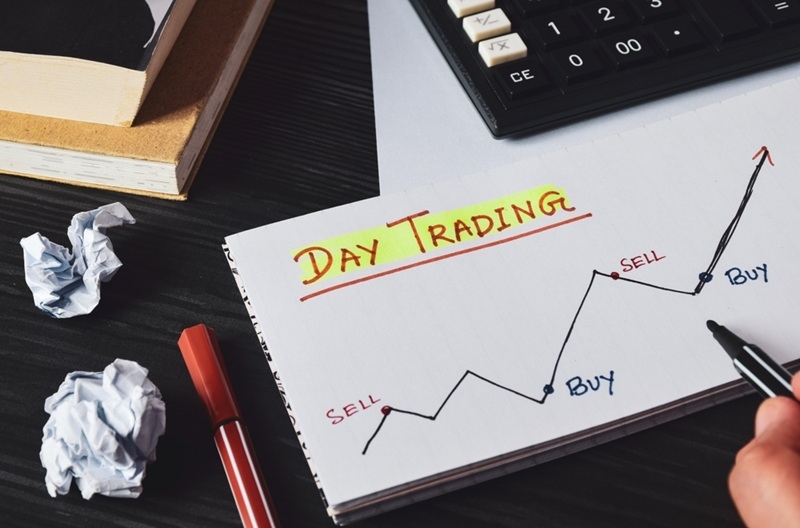
Financial markets move fast. For some traders that speed is a thing. It creates opportunities for them to make money. Day trading is when you buy and sell stocks on the day. You do this to make money from changes in price that happen during the day.
The idea of making quick profits sounds great. To succeed you need to be prepared. You need to be disciplined and have a plan. Some beginners feel stressed. They look at price charts and technical tools. Feel lost. All the changes in the market can be confusing.. Day trading is not that hard once you understand the basics. If you follow a step-by-step approach it gets easier.
With the information traders can make smart choices. They do not just react on emotions. This guide will help you learn the basics of trading stocks. You will find tips for intraday trading. There are proven strategies, for day trading. These will help you trade with confidence.
Day trading is when you open and close trades on the day. You are trying to make money from changes in the price of stocks. You do not hold onto them for a time like months or years.
You close your trades before the market closes for the day. This way you do not have to worry about things that happen at night that can affect the market. Day trading is very fast. You have to be quick.
Most people who do day trading use charts of prices and other tools to figure out when to buy and sell. To be good at day trading you need to be careful and make decisions quickly. You also need to control how risk you are taking. Day trading is about being, in control and making the right moves at the right time.
People new to trading often start without knowing how markets work. This can cause them to make mistakes. Learning the basics of stock trading helps people who trade make choices. When you know about the kinds of orders how prices change how much people are buying and selling and how much prices are going up and down you can do trades that work better.
Managing risk is very important when you trade. Things, like stop-loss orders and making sure you are not buying or selling much help you not lose too much money and keep your trading money safe. When you know what you are doing, you will feel more sure of yourself. You will not make decisions based on how you feel.
Starting carefully reduces unnecessary risks and helps traders learn market behavior gradually.
Choose a reliable brokerage platform and practice using demo accounts. This helps you understand order placement and chart tools without risking real money.
A trading plan defines entry rules, exit conditions, risk tolerance, and profit targets. Having a plan prevents impulsive decisions.
Trading smaller amounts allows beginners to gain experience while minimizing potential losses.
Economic updates, earnings reports, and global events can influence stock prices. Awareness helps traders anticipate volatility.
Intraday trading requires focus and discipline. Fast price movements can tempt traders to make rushed decisions, but patience often produces better results. Many experienced traders focus on a few highly liquid stocks instead of monitoring too many at once. This makes it easier to spot strong opportunities.
Setting daily profit-and-loss limits also helps control emotions. Once those limits are reached, stepping away prevents impulsive trades. Watching trading volume is equally important. Strong price moves supported by high volume are generally more reliable than weak fluctuations.
No two traders approach the market the same way. Some prefer quick trades, while others wait for larger price swings. Choosing a strategy that matches your comfort level and risk appetite is important for consistency.
Structured strategies help remove emotion from decision-making and improve discipline.
Scalping is about making money from price changes. You do this by making a lot of trades. Each trade might not make you a lot of money. If you do it many times you can get good results from scalping. Scalping is, about being patient and making many small trades to get steady results from scalping.
Momentum traders look for stocks that are going up or down fast and a lot of people are buying and selling them. They get in on the action. Go with the trend. When the stock stops moving much they get out. Momentum traders do this because they like to follow the momentum of these stocks and make money from the trend.
Prices can go up or down a lot when they go past support or resistance levels. This is when big things can happen. Breakout traders want to get in on these trends early on. They like to catch the trend when it is just starting with the prices. Breakout traders think that if they can get in early they can make some money with the trend, in prices.
Reversal traders try to find signs that a strong trend is going to change direction. They need to be patient and do technical analysis. Reversal traders look for a trend that's strong and then find signs that it will change. This strategy needs patience and good technical analysis to work well.
Trading indicators are really useful for traders because they help traders look at what has happened in the market. This makes it easier for traders to understand what the market is doing.
Trading indicators, like moving averages show traders the direction that prices are going. The Relative Strength Index or RSI tells traders if stocks are too expensive or too cheap.
The MACD trading indicator helps traders see when the price of something is changing fast. When traders use trading indicators at the same time it helps them make better decisions and not get fooled by false signals. Using trading indicators together is a good thing for traders to do.
Risk management helps traders avoid losses. Even good traders have problems. Managing risk keeps losses small.
Day trading is really exciting. It gives people a chance to make money. To be good at day trading you need to prepare and be disciplined. You have to know the basics of trading stocks. Then you can use strategies for day trading and tools to help you make good decisions. If you plan carefully and manage the risks you can deal with the ups and downs of the market. This will help you feel more confident. You will be more likely to do well in the long run, with day trading.
Yes. Beginners should start with small trades and practice on demo platforms before risking real money.
The amount varies by market and broker, but starting small is recommended for learning safely.
A clear strategy, disciplined execution, and strong risk management are essential for consistent performance.
This content was created by AI